

How to choose an electric callus remover for home use
Choose an electric callus remover by its intended use, the control you have over the abrasive head, and how easily you can clean it and replace worn parts. Pick a foot-care tool with clear instructions rather than choosing by motor power alone; if you have diabetes, reduced feeling in your feet, poor circulation, or damaged skin, ask a healthcare professional before using an abrasive foot tool.
- Choose an electric callus remover with clear foot-care instructions, manageable controls, and a practical cleaning routine.
- Compare electric foot files with manual files: powered operation does not eliminate the risk of over-filing.
- Check replacement heads and water-use instructions before choosing a foot grinder.
- Mystic Leaf Supply Co lists an Electric Callus Remover Foot Grinder; check its instructions before selecting it.
How do you choose an electric callus remover for home use?
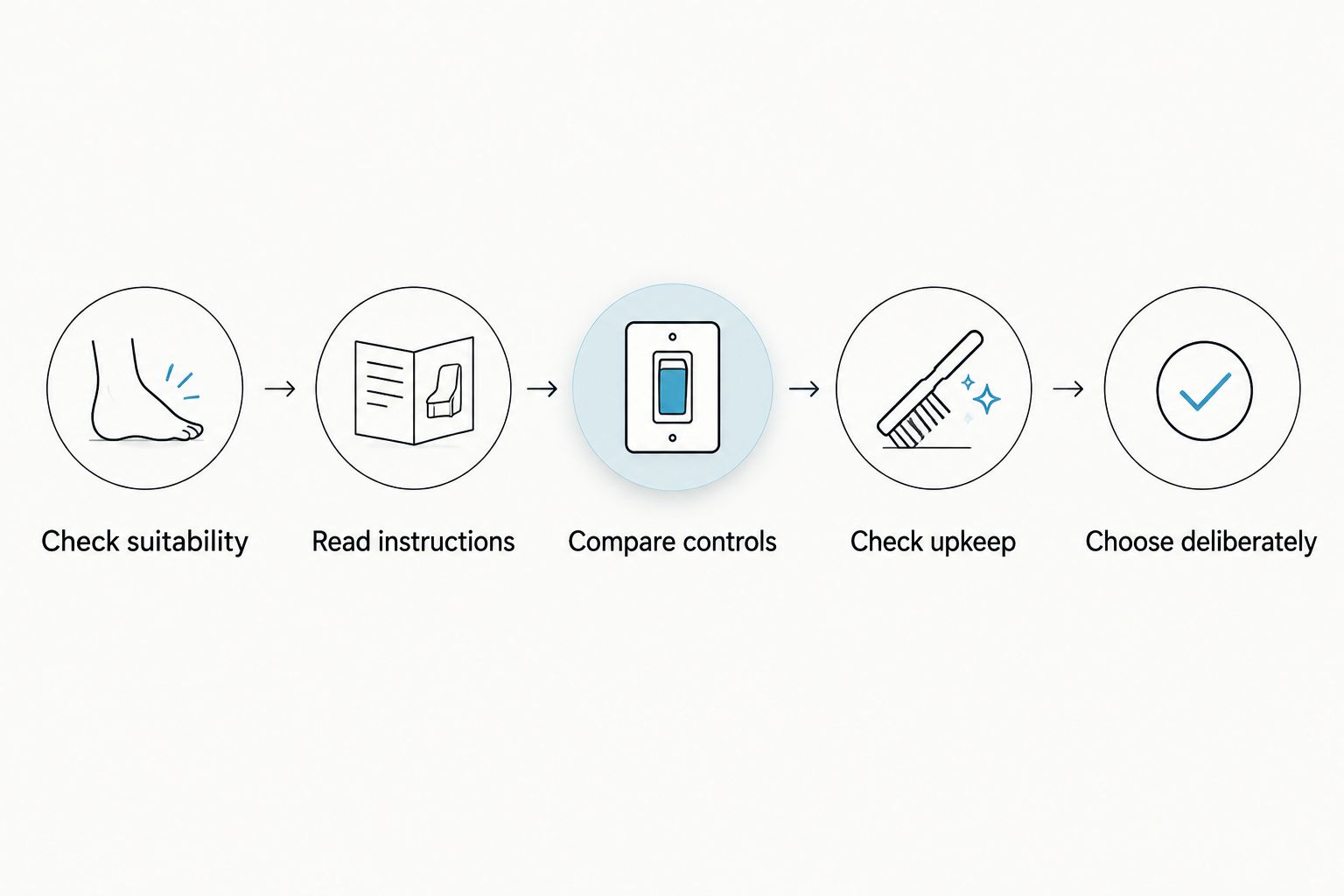
Choose the tool you can control, maintain, and use exactly as directed. A long feature list does not answer those questions. Work through this buying sequence before deciding:
- Check suitability. Confirm that the device is intended for callused feet, not facial cleansing or hair removal.
- Read instructions. Look for directions covering skin preparation, pressure, stopping, and cleaning.
- Compare controls. Check how you switch the device on, adjust it if adjustment is offered, and stop it.
- Check upkeep. Identify the cleaning method and the exact replacement abrasive head.
- Choose deliberately. Reject features you cannot verify or do not need.
These checks help you separate useful information from broad promises about smooth skin. They also give you a reason to reject a device before it becomes another unused bathroom purchase.
For everyday product browsing, Mystic Leaf Supply Co carries categories spanning home essentials and personal care. Keep your foot-care decision focused on the individual device's instructions, not the breadth of the store's catalog.
Why this matters
An electric callus remover removes skin through abrasion. The useful buying question is not how much skin it can remove, but whether you can control that abrasion and stop before skin becomes sore.
For a 2026 purchase, start with the instructions attached to the exact model you are considering. Product names such as foot grinder or electric foot file describe a category; they do not establish water resistance, suitable skin conditions, or a cleaning method.
A home foot-care tool is not a treatment for unexplained foot pain. If an area is painful, bleeding, inflamed, or cracked open, address that problem rather than trying to grind it smooth.
Electric foot file or manual foot file: which fits your routine?
An electric callus remover and a manual foot file both use abrasion, but you supply movement differently. Compare the task and upkeep rather than treating powered operation as an automatic upgrade.
| Option | Best for | Practical advantage | Limitation to consider |
|---|---|---|---|
| Electric callus remover | Shoppers who prefer powered filing | The motor moves the abrasive surface | Requires power and device-specific care; pressure still needs control |
| Manual foot file | Shoppers who prefer direct hand control | You control each filing stroke without charging | Requires repeated hand movement and still allows over-filing |
For your 2026 shortlist, choose the method you are comfortable stopping and cleaning. Neither option makes aggressive filing a good idea, and neither should be used to work through discomfort.
A manual file is not automatically safer because it lacks a motor. An electric file is not automatically more effective because it has one. The condition of your skin and your handling of the tool remain central.
Choose an electric callus remover with manageable controls
Best for powered home filing: a device whose controls you can understand without guessing. Check the location of the power switch and whether the instructions explain any speed settings.
If adjustable speed is offered, find out what the manufacturer says each setting is for. More settings add choices, but they do not prove that a device is gentler or better suited to your feet.
Look at the handle and switch together. Ask whether you can hold the device comfortably while reaching the areas you intend to file, without accidentally pressing another control.
The limitation is straightforward: powered movement continues until you move the tool away or stop it. Do not choose a device on the assumption that its motor will compensate for heavy pressure or poor technique.
Choose a manual foot file if you prefer hand-controlled strokes
Best for a simple, nonpowered routine: a manual file you can grip comfortably and clean according to its instructions. It removes charging from the decision and lets you supply each movement yourself.
Its limitation is the effort required to keep filing. If repeated hand movement is uncomfortable, that matters more than whether the tool has fewer parts.
Check the abrasive surface and intended use just as carefully as you would for an electric model. Avoid assuming that a coarse surface is the right starting point simply because your heels feel rough.
Check the abrasive head before the feature list
The abrasive head is the part that contacts your skin. Read what the manufacturer says about its intended use and whether different heads are included or supported.
Descriptions such as coarse and fine are useful only when the instructions explain how to choose between them. Do not treat a more abrasive head as a shortcut to a better result.
Before choosing a device, establish:
- Whether the head is removable.
- How the manufacturer tells you to clean it.
- How you identify a compatible replacement.
- What wear or damage means the head should be replaced.
An attachment that looks similar is not proof of compatibility. Match replacements to the device's stated requirements rather than relying on appearance alone.
Read water-use instructions literally
Dry use, rinsing, and use around water are different questions. A washable attachment does not establish that you can rinse the entire powered handle or use the device in the shower.
Look for separate instructions for the abrasive head and the body. Follow any restrictions on charging, drying, and exposure to water rather than extending one cleaning claim to the whole device.
If your preferred routine involves filing after a shower, check the specified skin condition too. Some instructions distinguish between wet and dry skin; use the method stated for your model.
Do not infer shower suitability from a bathroom product photo. Your 2026 buying checklist should use written operating instructions, not the setting shown in an advertisement.
Make charging and cleaning part of the decision
Power requirements affect where you keep a tool and whether it fits your routine. Check the stated power source, charging equipment if applicable, and any instructions about operating while connected to power.
Do not compare devices using an assumed runtime. Instead, decide whether you are comfortable with the documented charging routine and whether you have an appropriate place to store the device.
Cleaning deserves equal attention. A tool that requires a care routine you will not follow is a poor fit, even if its other features appeal to you.
Picture the full task: retrieve the tool, prepare as directed, file carefully, clean it, and put it away. That is the routine you are choosing, not just the moment the motor turns on.
Where the store's callus remover fits
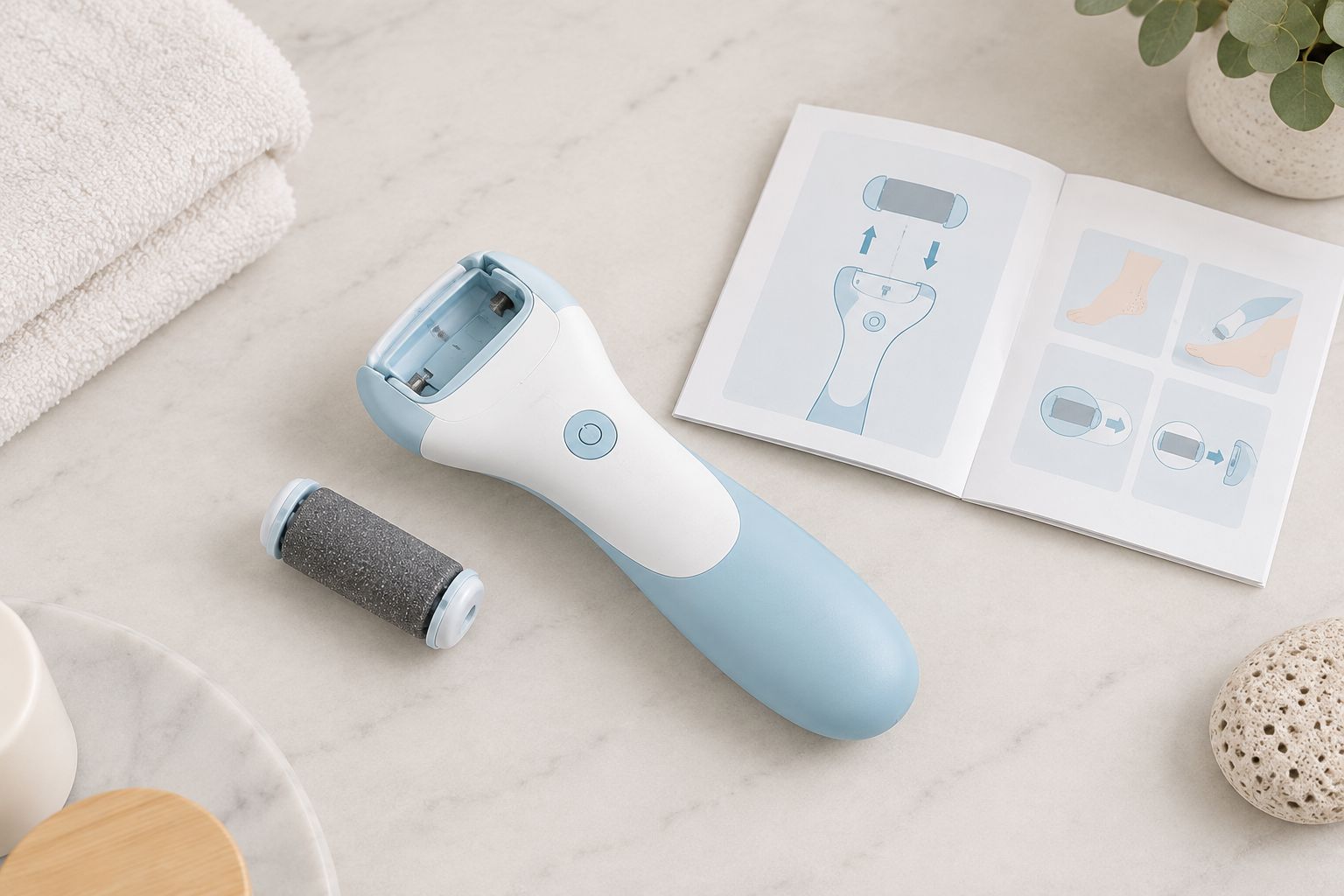
Mystic Leaf Supply Co lists the Electric Callus Remover Foot Grinder, described as a tool for buffing away dead skin. That places it in the foot-care category rather than among facial cleansing tools.
Consider it against the same criteria as any other electric callus remover: intended use, controls, cleaning directions, and replacement-head information. The product name alone does not establish those details or a particular result.
Mystic Leaf Supply Co is best suited to shoppers browsing everyday home and personal-care products. For this purchase, judge the individual foot-care tool on its documented instructions rather than assuming that another grooming product can do the same job.
Why electric callus remover suitability varies
The right choice depends on how the tool fits your feet and your routine. Use these factors to narrow the decision:
- Skin condition: damaged, painful, or inflamed skin changes the decision from shopping to seeking appropriate advice.
- Sensation and circulation: reduced feeling or poor circulation requires professional guidance before abrasive foot care.
- Hand control: handle shape and switch placement affect how comfortably you operate the tool.
- Care requirements: cleaning and drying instructions determine the work needed after use.
- Replacement parts: a clear match between the device and its abrasive head makes maintenance easier to plan.
- Power routine: the stated power requirements need to fit where you will use and store the tool.
For a 2026 comparison, keep these practical factors ahead of vague claims about professional results. A device should fit a routine you can follow, not persuade you to ignore your own comfort.
How should you use a new electric callus remover at home?
Read the exact device instructions before the first use. Do not copy a routine from a different model, particularly when it involves water, pressure, or interchangeable attachments.
Use this preparation sequence:
- Inspect your feet and avoid broken, irritated, or painful areas.
- Check that the device and abrasive head are assembled as directed.
- Prepare your skin using the wet or dry method specified by the manufacturer.
- Use the recommended technique without pressing harder to accelerate removal.
- Stop if the skin hurts, bleeds, or becomes irritated.
- Clean, dry, and store the tool according to its instructions.
There is no need to invent a session length or filing schedule. Let the instructions and your skin's response set the limit, not a goal of removing every rough patch at once.
Is an electric callus remover suitable if you have diabetes?
Ask your healthcare professional before using an electric callus remover if you have diabetes. Reduced sensation and circulation problems can make foot injuries harder to notice and more serious.
The same caution applies if you already know you have reduced feeling or poor circulation. Do not use a product's gentle wording as a substitute for advice about your own feet.
Can a facial cleansing tool replace an electric callus remover?
No—choose a tool explicitly intended for foot calluses. Facial cleansing brushes, hair removers, and foot files are different product types, even when each description mentions removing dead skin.
At Mystic Leaf Supply Co, keep the Electric Callus Remover Foot Grinder distinct from facial-care products. A shared retailer or beauty category does not establish that attachments or uses are interchangeable.
Do you need the most powerful electric callus remover?
No—motor power alone is not a sound buying criterion. It does not tell you whether the abrasive head suits the task, how easily you can control the tool, or how to maintain it.
Prioritize clear instructions and practical handling. Reject any comparison that turns an unexplained power claim into a promise of safer or better foot care.
FAQ
What's the best way to choose an electric callus remover?
Choose an electric callus remover by intended use, control, cleaning requirements, and replacement-head information. Clear instructions matter more than an unexplained claim about power.
Is an electric callus remover better than a manual foot file?
An electric callus remover is not automatically better than a manual foot file. Choose powered operation if you prefer it, or a manual file if you prefer supplying each stroke yourself; both require careful handling.
Can I use an electric callus remover in the shower?
Use an electric callus remover in the shower only if the exact model's instructions explicitly permit it. A washable head does not establish that the powered body is suitable for shower use.
How often should I use an electric callus remover?
Follow the exact device's instructions rather than adopting a universal filing schedule. Stop if your skin becomes sore or irritated, and do not file damaged skin.
Can I use an electric callus remover on cracked heels?
Do not use an electric callus remover over open cracks, bleeding, or irritated skin. Ask a healthcare professional about painful or persistent heel problems instead of trying to grind them away.
Should I buy a callus remover with replaceable heads?
Check replacement-head compatibility before choosing a callus remover that uses replaceable heads. Confirm the required attachment and replacement instructions rather than assuming similar-looking heads fit.
Does nature-inspired mean a foot-care product is natural or sustainable?
Nature-inspired does not establish that a foot-care product is natural, sustainable, or certified. Look for specific evidence rather than treating the description as a materials or environmental claim.
One last thing
Before choosing a callus remover in 2026, explain its upkeep to yourself in plain language: how you clean it, how it dries, and how you identify the right replacement head. If those answers are unclear, resolve them before making the decision.
Easy to maintain is a useful buying criterion, not an afterthought. A motor does the filing movement; you still own the preparation, control, and cleanup.